When Should a Growing Business Stop Managing Its Website In-House?

Managing your website in-house can work well when the site is simple, changes are infrequent, and someone on your team has enough time and technical knowledge to keep everything running.
Growth changes that equation.
As your website becomes more important to lead generation, marketing campaigns, recruiting, sales, and customer experience, website management becomes an ongoing operational responsibility rather than an occasional task.
For businesses reaching that point, Hog the Web provides long-term WordPress web design, development, SEO, security, maintenance, and support. After more than 10 years working with 300+ growing businesses, one pattern is clear: the right time to get outside help is usually before website problems begin slowing down the rest of the company.
When Does Website Management Become Too Much for an Internal Marketing Team?
Website management has probably become too much when routine site work regularly takes time away from marketing, sales, or other higher-value responsibilities.
A website manager may initially spend an hour changing copy or uploading a new page. As the business grows, that list can expand to plugin updates, redirects, broken forms, backups, analytics, landing pages, tracking codes, performance problems, user permissions, technical SEO, and troubleshooting.
These are recurring responsibilities. WordPress provides dedicated systems for managing and updating plugins, while its own documentation recommends maintaining complete backups of both website files and the database so a site can be restored properly.
The real cost of keeping website management internal therefore is not just salary. It is opportunity cost.
If a marketing director spends three hours troubleshooting a website problem, that is three hours not spent managing campaigns, reviewing performance, or developing strategy.
A useful test: If website requests regularly sit in a backlog because everyone responsible has another primary job, the current setup may have reached its limit.
When Do Website Problems Require More Technical Expertise Than Your Team Has?
Bring in specialist help when fixing the website depends more on technical experimentation than established expertise.
A straightforward content edit is one thing. Plugin conflicts, PHP errors, database problems, hosting configuration, security incidents, custom integrations, and unexplained site failures are different.
Even WordPress maintains extensive technical documentation covering debugging, security hardening, backups, and monitoring because keeping a production site healthy involves more than clicking an update button. WordPress also notes that basic security precautions are important for protecting installations.
Security makes this distinction especially important. CISA advises small and mid-sized organizations to establish regular software patching procedures and prioritize critical vulnerabilities, particularly on public-facing systems.
The question is not, “Could someone on our team eventually Google the answer?”
It is, “Is experimenting on a business-critical website the best use of that employee’s time and an acceptable level of risk?”
Does Website Performance Matter Enough to Justify Ongoing Professional Support?
Yes, especially when the website generates leads or supports sales. A slow or unreliable website can become a marketing problem, not merely a technical one.
Google’s Core Web Vitals measure real-world loading performance, responsiveness, and visual stability. Google specifically recommends that site owners achieve good Core Web Vitals for search success and a stronger user experience.
Performance also requires continuous attention. New plugins, scripts, tracking tools, design changes, hosting conditions, and media uploads can all change how a website behaves over time.
That is why a site that was “optimized” two years ago is not necessarily optimized today.
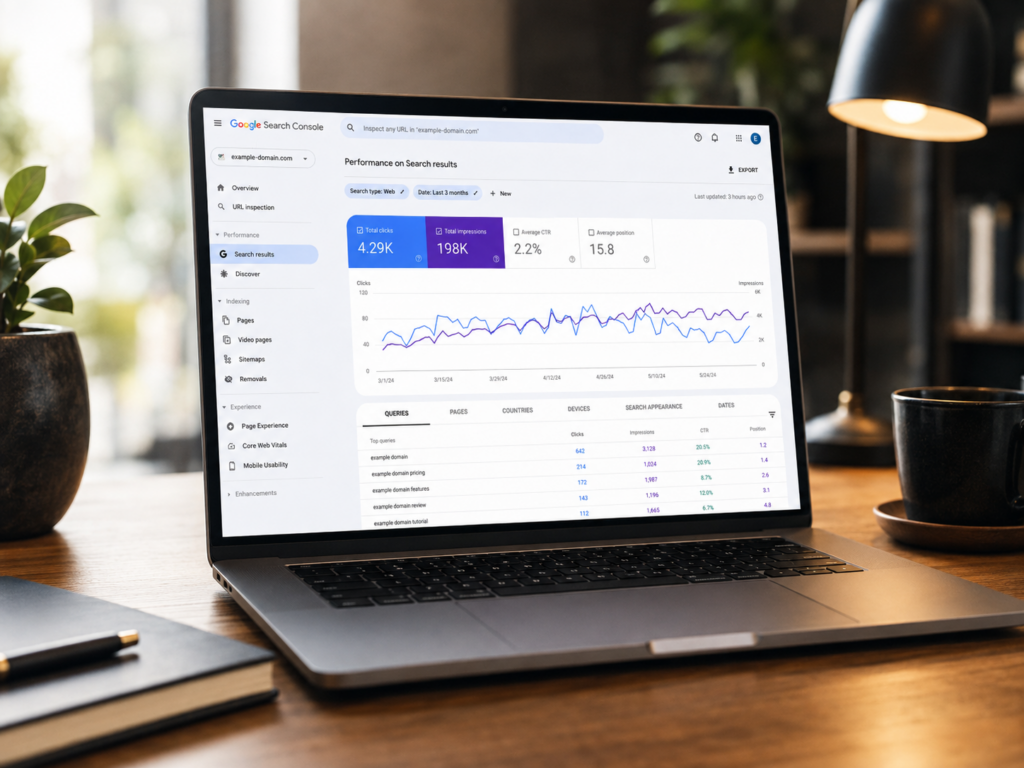
Google Search Console itself provides reporting specifically to help website owners identify search-performance and technical issues. For an internal team already stretched thin, monitoring and acting on those issues can easily become another task that gets postponed.
Should a Business Outsource Website Management Before a Redesign or Major Update?
Often, yes. Major website changes increase the number of things that can unintentionally affect traffic, conversions, and functionality.
A redesign is not just a visual project. Changing a site can affect URLs, internal links, forms, analytics, mobile usability, redirects, tracking, page speed, and organic search visibility.
This is where growing businesses often discover they don’t simply need someone who can “build pages.” They need someone who understands how the website’s different systems affect one another.
An experienced WordPress partner can help the marketing team plan changes, test them properly, preserve important functionality, and address problems before launch rather than after leads start disappearing.
The Hog the Web 5-Signal Website Management Test
If you are unsure whether it’s time for outside help, use this 5-signal test. Give yourself one point for each signal below:
- Website changes regularly sit unfinished because nobody has enough time.
- Your team hesitates to install updates because it is worried something may break.
- Routine marketing requests depend on an unavailable developer.
- Nobody clearly owns backups, security monitoring, performance, or technical maintenance.
- Website downtime or broken forms could directly cost the company leads or revenue.
Scoring:
- 0–1: In-house management is likely still reasonable.
- 2–3: Your team may be approaching the point where outside support is worthwhile.
- 4–5: Your website has likely become too important to manage reactively.
The threshold is not based on company size.
A 15-person company generating most of its leads online may need far more website support than a much larger organization whose website is primarily informational.
What Should a Growing Business Look for in a Website Partner?
Look for a partner that can manage the website as a connected business system, not as a series of isolated technical tickets.
Design, development, maintenance, security, SEO, performance, and conversion improvements regularly overlap. Fixing one area without understanding the others can create new problems.
Choosing a partner should be based on finding technical stability that aligns with your business goals. Hog the Web focuses on providing this stability for WordPress users, acting as a technical extension for teams that need consistent expertise to manage growth without the overhead of a full internal department.
Your marketing team should still control strategy, campaigns, messaging, and priorities. The website partner handles the technical execution and ongoing support needed to make those ideas work.

When Is the Right Time to Stop Managing Your Website In-House?
The right time is usually before your website becomes an emergency.
If your website drives revenue and growth, but your internal team lacks the time or specialist expertise to manage it proactively, keeping everything in-house may no longer save money.
It may simply be moving the cost into slower marketing, postponed improvements, technical risk, and employee time.
Hog the Web helps growing businesses manage WordPress websites through ongoing development, website support, maintenance, security, design, and SEO expertise.
If your team is spending more time fixing the website than using it to grow the business, visit Hog the Web to discuss what a long-term WordPress website partnership could look like.