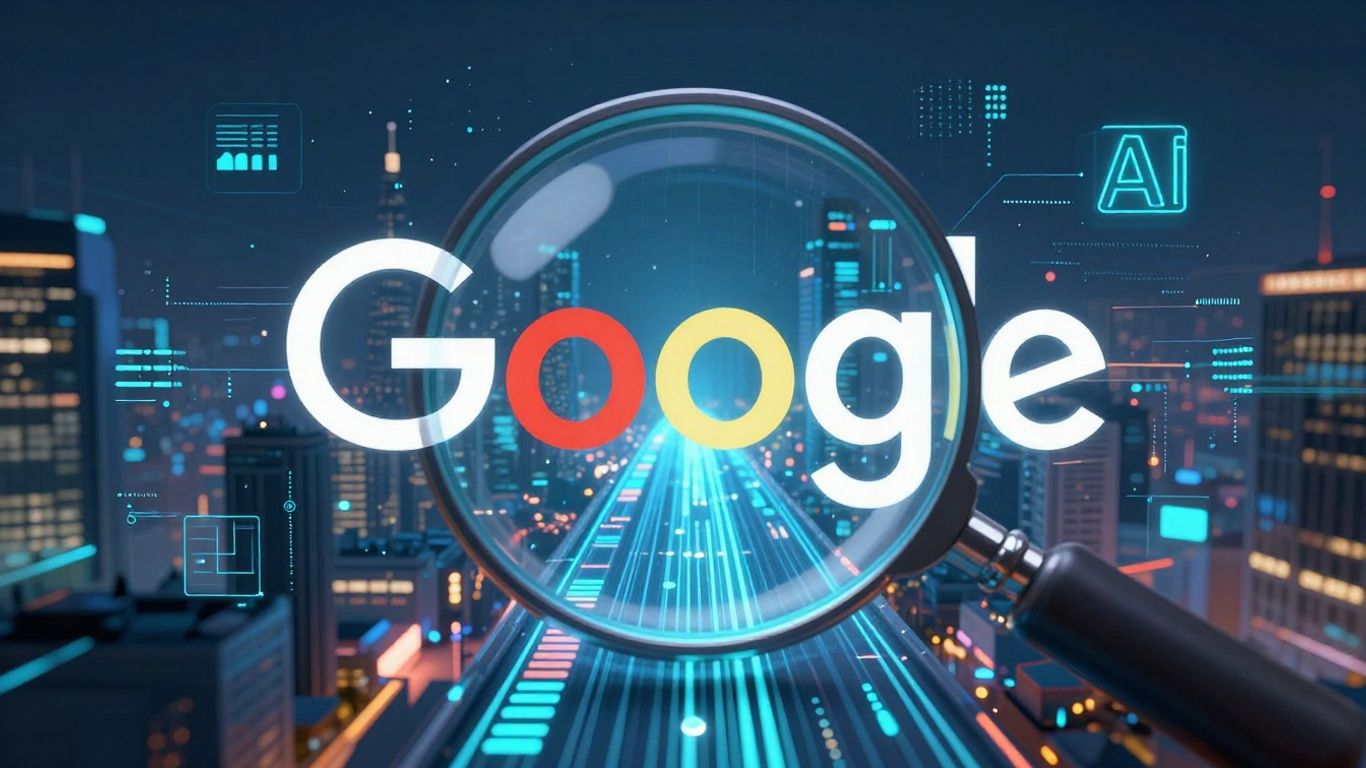
The world of SEO in 2026 isn’t what it used to be. If you’re still treating Google like the only game in town, it’s time to think again. AI-driven search tools like ChatGPT are showing up on the field, and you need to be ready to tackle both. Here’s what you need to know right now.

Key Takeaways
- You must optimize for both traditional web search (like Google) and modern AI search tools to capture all possible traffic.
- AI search visits, though smaller in number, can convert much better than regular search traffic.
- On-page SEO and technical basics still matter a lot, for both humans and AI.
- Schema markup and third-party mentions have become crucial for how AI recommends businesses.
- Digital PR and getting featured on other sites now beats old-school backlink building for AI optimization.
The Two Fronts of SEO: Google vs. AI-Powered Search
Let’s lay it out:
| Platform | Daily Searches/Prompts | Main Advantage |
|---|---|---|
| 16.4 Billion | Sheer traffic and universal reach | |
| ChatGPT & AI | ~800 Million | Higher user intent and conversion rates |
Traditional search hasn’t disappeared—if anything, AI is starting to blend in, like with Google’s new AI Overviews. When these pop up in search results, fewer people click on actual links, so your website must be set up to show up in both places: classic search results and AI-generated snippets.
The Hybrid SEO Formula: On-Page SEO With a Twist
Whether you use RankMath Pro or something else, the core steps are mostly the same. Here’s what matters most:
- Set Up Technical Basics:
- H1s and page titles
- Meta descriptions
- Image alt tags
- Canonical tags
- Check Your Site’s Health:
- Use tools like RankMath’s SEO analyzer, Google Search Console, or your favorite dashboard.
- Hunt down broken links (404s) and use redirections where necessary.
- Improve Crawler Experience:
- Submit sitemaps so search bots see your full site.
- Track analytics to see what’s working (RankMath can pull this into your dashboard).
Here’s a checklist for the basics:
| Element | Why It Matters |
|---|---|
| Page Titles | Tells search engines what your page is about |
| Meta Descriptions | Draws people (and bots) to click your result |
| Schema Markup | Gives AI more context about your content |
| Site Maps | Ensures all pages are indexed |
| Internal Linking | Helps bots and users navigate your site |
Content: Still King, But Don’t Rely on AI Alone
People ask—"Can I just let AI write everything?" Sure, but expect junk food results. AI is a solid tool for first drafts, giving you blog outlines or product descriptions you can then rewrite to feel human.
My quick rule:
- Use AI for: generating ideas, basic outlines, and quick drafts.
- Absolutely use humans for: final edits, real-life stories, and turning bland copy into something that feels real.

Schema and Third-Party Recommendations: The New Must-Have
Search engines and AI bots look for markup (schema) to figure out what each page is about. And when AI tools recommend products, they favor third-party sites over your own. That means digital PR—getting your brand mentioned on review sites, blogs, and news outlets—matters more than the old "just build lots of backlinks" strategy.
Table: Which Is More Important in 2026?
| Ranking Factor | Human Search | AI Search |
|---|---|---|
| Technical SEO Basics | High | High |
| Schema Markup | Medium | Very High |
| On-Site Content | High | High |
| Backlinks | High | Low |
| Third-Party Mentions | High | Very High |
AI Agents and User Experience: Your Newest Visitors
AI agents aren’t just chatting anymore—they’re shopping, clicking, and even checking out on your site. If your site is confusing, missing checkout steps, or just slow, you’ll lose both humans and AI-driven bots. Make the path to purchase really obvious. Clean navigation and good structure go double now.

How to Get Featured on Other Sites (Digital PR Quick Tips)
- Offer genuine reviews and stories about your product
- Pitch case studies to blogs and news
- Reply to journalist requests (HARO and similar tools)
- Build real relationships with editors and writers
SEO in 2026—Quick Reference Table
| Task | Still Matters? | Notes |
|---|---|---|
| On-Page SEO Basics | Yes | Foundation hasn’t changed |
| Sitemaps & Indexing | Yes | Super important for both platforms |
| Digital PR/3rd-Party PR | Yes | Now even more important for AI |
| Pure Backlink Building | Less | Quality over quantity |
| User-Friendly Experience | Yes | Needed for AI agents too |
| AI-Generated Content | As a Tool | Needs to be finessed by humans |
In Summary: You Can’t Pick Just One
Sticking to just Google SEO, or only chasing AI recommendations, will limit your reach. With new tools like RankMath Pro, you can handle most basics in one place—but the real trick is balancing technical solidness with real-world mentions and super-clear content.
Ready to show up on both old and new search tools? That’s what SEO is all about in 2026.


Rodney Laws is an ecommerce expert with over a decade of experience helping entrepreneurs build and grow online businesses. He specializes in reviewing ecommerce platforms, optimizing user experience, and guiding brands toward higher conversions. His insights have been published on leading industry sites including UsabilityGeek, G2, Spendesk, and PPC Hero.
As the editor at EcommercePlatforms.io, Rodney combines hands-on knowledge with clear, actionable advice to help business owners choose the right tools and strategies. When he’s not testing the latest software or analyzing trends, he’s sharing practical tips that make complex ecommerce decisions simple.