Microsoft has just rolled out a new AI performance reporting feature within Bing’s Webmaster Tools. This update allows businesses to track how their content is performing in AI-generated search results, specifically focusing on Microsoft Copilot and its partners. While it’s not Google, this is a significant step forward in understanding AI search visibility.

Key Takeaways
- New AI Performance Metrics: Bing Webmaster Tools now offers reporting on AI-generated answers, including citations, average cited pages, and "grounding queries."
- Grounding Queries Explained: These are the key phrases AI uses to find content that’s then referenced in an answer. This offers insights into what specific terms are driving AI visibility.
- Visibility Trends: Track how your website’s citation activity and overall visibility in AI answers change over time.
- Page-Level Insights: See which specific URLs from your site are appearing in AI-generated answers.
- Future Implications: This move puts pressure on other AI platforms, like OpenAI and Google, to offer similar reporting.
Understanding the New Bing AI Reporting Features
The AI performance tracking in Bing’s Webmaster Tools provides several key metrics. The total citations show how often your content is used as a source in AI-generated answers. Average cited pages gives you an idea of how many of your pages are typically referenced.
Perhaps the most exciting new feature is grounding queries. These are the specific phrases or keywords that the AI uses when it retrieves content that eventually gets cited in an answer. Think of it as the modern equivalent of seeing keywords in traditional SEO reports, but now for AI-driven results. This can give you a strong indication of the types of queries your content is showing up for in AI responses.
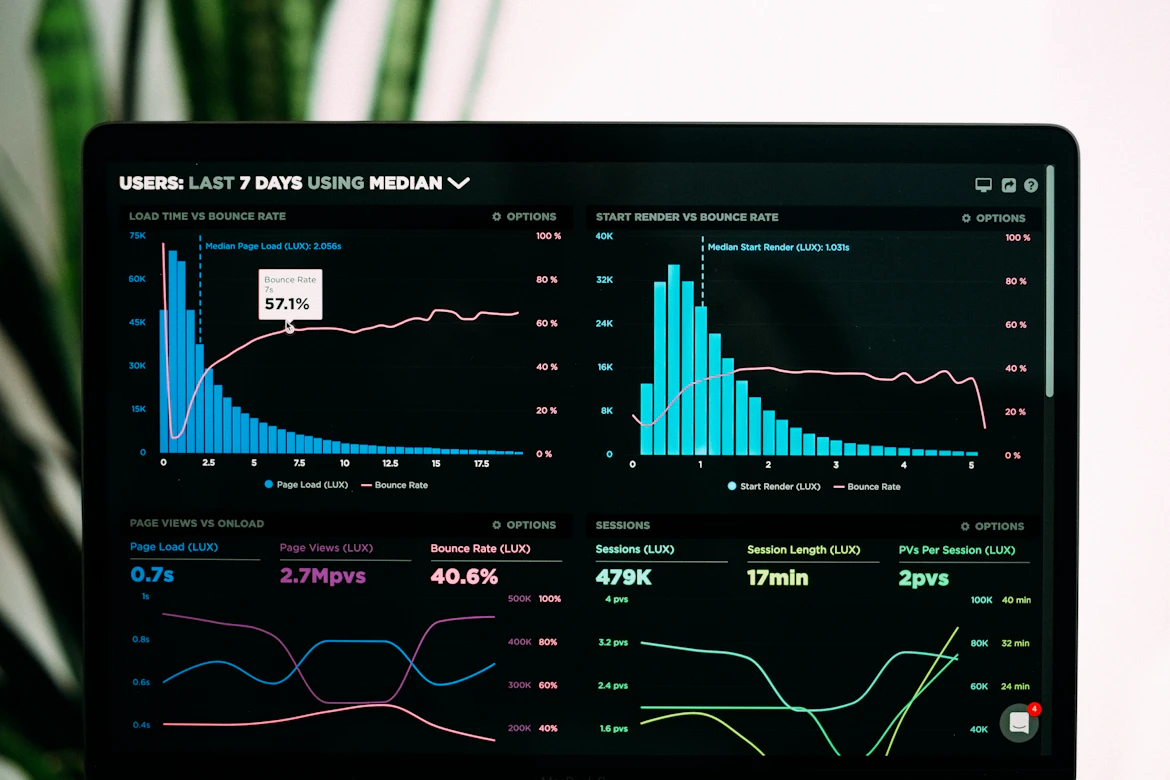
Additionally, the tool offers visibility trends over time, showing how your website’s presence in AI answers is changing. You can also see page-level citation activity, highlighting which specific pages on your site are being referenced most often.
Why This Matters for Your SEO Strategy
Even though Bing and Microsoft Copilot represent a smaller portion of the search market compared to Google, this new reporting is a big deal. It’s the first time we’re getting direct insights into how AI is using our content. For B2B businesses, this could be particularly insightful, as many companies rely heavily on the Microsoft ecosystem.
This development sets a precedent and will likely increase pressure on platforms like Google and OpenAI to provide similar data. Marketers have been asking for this kind of insight, and Bing is the first to offer it.
What are Grounding Queries?
Grounding queries are essentially the core phrases or topics that an AI uses to find and cite information. While AI conversations can be very long and detailed, these grounding queries distill them down to the essential search terms. It’s similar to how traditional search consoles show you keywords, but it’s designed to reflect the nuances of AI interactions. Microsoft is using this term to differentiate it from standard keywords and acknowledge that AI might retrieve content based on slightly different phrasing than what a human might typically search for on Google.
Adapting to the AI Search Landscape
While Bing’s new reporting is a great start, it’s important to remember it’s just one piece of the puzzle. Here’s how you can continue to adapt:
- Set up Bing Webmaster Tools: If you haven’t already, set up your Bing Webmaster Tools account. It takes about 48 hours for data to populate, and you can often transfer settings from Google Search Console.
- Keyword Research is Still Key: Reliable data on search volumes from tools like Semrush remains crucial for understanding potential AI search behavior.
- Explore AI Search Tracking Tools: Consider using tools like Peak AI, which can help track your visibility for specific AI prompts. You’ll need to define the prompts relevant to your business based on your keyword research.
- Monitor Forums and Social Media: Keep an eye on platforms like Reddit and Quora to see the actual questions people are asking related to your industry. This can provide direct insight into user queries.
- Engage with Customers: If you have direct customer interactions, ask them how they found you and what they searched for in AI tools. This direct feedback is invaluable.
- Analyze Sales Calls: If you record sales calls, use AI tools to transcribe and analyze them for common questions and language trends related to your products or services.

Future Predictions
This move by Microsoft is likely to put pressure on OpenAI and Google to introduce similar AI analytics reporting. We can expect to see increasing demand from the SEO and marketing communities for this type of data. It’s also probable that Bing Webmaster Tools will see a surge in user activity as more people explore these new AI insights.
This is an exciting time for search marketing, and staying informed about these evolving AI capabilities is key to staying ahead. If you’re looking for more guidance on AI search optimization, check out resources on exposionninja.com or their YouTube channel.

Rodney Laws is an ecommerce expert with over a decade of experience helping entrepreneurs build and grow online businesses. He specializes in reviewing ecommerce platforms, optimizing user experience, and guiding brands toward higher conversions. His insights have been published on leading industry sites including UsabilityGeek, G2, Spendesk, and PPC Hero.
As the editor at EcommercePlatforms.io, Rodney combines hands-on knowledge with clear, actionable advice to help business owners choose the right tools and strategies. When he’s not testing the latest software or analyzing trends, he’s sharing practical tips that make complex ecommerce decisions simple.