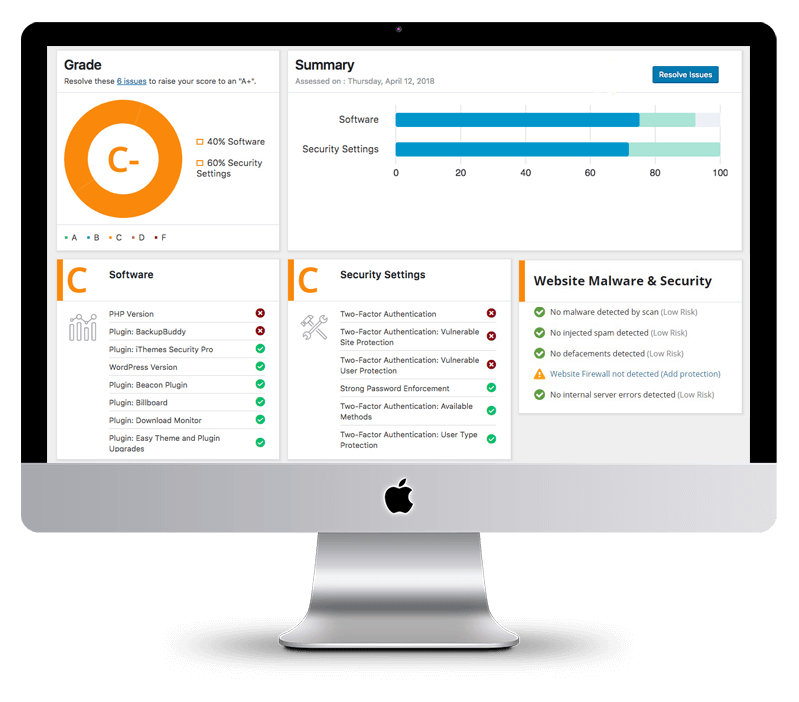
Trying to figure out what SEO services will cost your business can feel like a guessing game. We know that. That’s why we built our SEO-Optimized Website Cost Calculator. It’s designed to give you a clearer picture of the investment needed to get your website seen online. Think of it as a helpful tool to demystify the process and help you plan your digital marketing budget more effectively. We want to make sure you’re making smart choices for your online growth.
Key Takeaways
- Our SEO-Optimized Website Cost Calculator helps you understand the potential costs of SEO services by gathering specific business and website data.
- The tool uses algorithms that consider market factors, industry competition, and your current website’s SEO health to provide tailored cost projections.
- We break down costs for various SEO tasks, including keyword research, technical adjustments, content creation, and link building, so you know where your money goes.
- Budgeting is simplified by offering project-based versus retainer cost breakdowns and explaining hourly rate implications to help avoid unexpected expenses.
- Using our calculator supports informed decision-making by clarifying the cost-benefit of different SEO strategies and helping you allocate your budget for the best return on investment.
Understanding Your Investment with Our SEO-Optimized Website Cost Calculator
When we talk about getting your website noticed online, especially through search engines, it’s easy to feel a bit lost when it comes to the costs involved. We know that figuring out how much to spend on Search Engine Optimization (SEO) can seem like a puzzle. That’s exactly why we built our SEO-Optimized Website Cost Calculator. Our goal is to take the guesswork out of it, giving you a clear picture of what investing in SEO might look like for your business. We want you to feel confident and informed about your marketing budget, making sure every dollar you spend is working hard for you.
Demystifying SEO Costs for Informed Decisions
Let’s be honest, the world of SEO pricing can feel a bit like a black box. You hear about monthly retainers, project-based fees, and hourly rates, and it’s hard to know what’s standard or what you actually need. We aim to pull back the curtain on these costs. By understanding the different components that make up an SEO campaign – things like keyword research, technical site audits, content creation, and link building – you can start to see where your money is going and why. For instance, a thorough keyword research phase might cost around $500 to $1,500, depending on the depth and breadth of the market analysis. Technical SEO adjustments, which are vital for site health, could range from $1,000 to $5,000 or more, depending on the complexity of your website’s current issues. Content creation, a cornerstone of modern SEO, often falls between $300 to $1,000 per piece, with ongoing content strategies requiring a consistent budget. Link building, while highly effective, can vary significantly, with costs potentially ranging from $500 to $3,000+ per month for a sustained effort.
We believe that knowing these details helps you make smarter choices. Instead of just accepting a quote, you can ask informed questions and understand the value behind each service. This transparency is key to building trust and ensuring you’re investing in strategies that will actually move the needle for your business. It’s about making sure you’re not just spending money, but making a strategic investment in your online future. We want you to feel in control of your marketing spend, not overwhelmed by it. Our calculator helps you see how different service levels translate into costs, allowing you to align your budget with your specific business goals and expectations for growth.
Strategic Budgeting for SEO Campaigns
Planning your SEO budget effectively is more than just picking a number; it’s about aligning your financial resources with your business objectives. Our calculator helps you do just that. It prompts you to consider factors like your industry’s competitiveness, your current website’s SEO health, and your target geographic markets. For example, if you’re in a highly competitive industry like e-commerce or finance, your SEO budget will likely need to be higher to make a significant impact compared to a niche local business. We’ve seen that businesses often allocate between $2,500 to $10,000 per month for comprehensive SEO services, but this can fluctuate wildly based on these factors. The average return on investment (ROI) for SEO is quite impressive, with many clients seeing returns of $7.48 for every $1 spent, which is a 748% ROI. This highlights why strategic budgeting is so important – it’s not just an expense, it’s an investment with a strong potential payoff.
We break down the potential costs into different models, such as project-based fees for specific initiatives (like a website audit or a localized campaign) versus ongoing monthly retainers for continuous optimization. Understanding these structures helps you choose what best fits your cash flow and long-term strategy. For instance, a one-time website redesign cost can range from $2,000 to $50,000+, depending on the complexity and features required. Our tool helps you estimate the SEO component of such a project. We also consider the implications of hourly rates, which can range from $50 to $200+ per hour, depending on the provider’s experience and location. By providing these insights, we help you avoid common pitfalls, like underfunding your campaign or choosing low-quality services that ultimately cost more in the long run due to poor results or even penalties. Our aim is to help you build a budget that supports sustainable growth and delivers tangible results.
Planning for Long-Term Online Growth
SEO isn’t a one-time fix; it’s an ongoing strategy that requires consistent effort and investment to yield lasting results. Our calculator helps you think beyond immediate needs and plan for the long haul. We want you to understand that building a strong online presence through organic search is a marathon, not a sprint. This means allocating a budget that allows for continuous improvement, adaptation to algorithm changes, and sustained content creation. Think of it like tending a garden; you need to water, weed, and fertilize regularly to keep it healthy and productive. Similarly, your website needs ongoing SEO attention to maintain and improve its search engine rankings.
We provide insights into how different budget levels can impact your ability to achieve long-term goals, such as dominating specific keyword sets or expanding into new markets. For example, a consistent monthly investment allows for regular content updates, technical checks, and proactive link building, all of which contribute to sustained growth. Without a proper budget, SEO efforts can become sporadic, leading to stalled progress or even a decline in rankings. We help you visualize the potential outcomes of different investment levels over time, showing how a well-funded, consistent strategy can lead to compounding returns. This forward-thinking approach ensures that your SEO investment continues to pay dividends, driving qualified traffic and supporting your business’s expansion for years to come. It’s about building a robust online foundation that supports your business as it grows and evolves, ensuring you stay competitive in the ever-changing digital landscape. We want to help you build an SEO strategy that grows with your business.
How Our SEO-Optimized Website Cost Calculator Operates
We designed our SEO-Optimized Website Cost Calculator to be straightforward and informative. Our goal is to give you a clear picture of what investing in SEO might look like for your business, without the confusing jargon. We want you to feel confident about your marketing budget and understand where your money is going. It’s all about making the process transparent and helpful for you.
Gathering Essential Business and Website Data
To start, our calculator needs some basic information about your business and your website. Think of it like a quick consultation. We ask about your industry, your target audience, and your current online presence. We also inquire about your specific goals for SEO – are you looking to increase brand awareness, drive more leads, or boost online sales? The more details you provide, the more accurate our estimate will be. For instance, knowing your primary business sector helps us gauge the competitive landscape. We also ask about the current state of your website’s SEO, like whether it’s been optimized before or if it’s a brand new site. This initial data gathering is key to tailoring the subsequent steps.
- Industry Type: Helps us understand the general competition level.
- Target Audience: Informs keyword research and content strategy.
- Website URL: Allows for a basic analysis of your current site structure.
- Primary Business Goals: Guides the focus of the SEO efforts.
- Current SEO Status: Identifies starting points and potential challenges.
We also ask about the size of your business and your general budget expectations. This isn’t to lock you into anything, but rather to help us calibrate the output. For example, a small local business will have different needs and budget considerations than a large e-commerce operation. Understanding these differences allows us to provide a more relevant estimate. We want to make sure the figures we present are practical and achievable for businesses like yours. It’s important to remember that this is a starting point, and we can always adjust as we learn more about your specific situation. We aim to provide a realistic outlook on what SEO can do for you.
Algorithmic Estimation Based on Market Factors
Once we have your information, our system gets to work. We use a sophisticated algorithm that takes into account various market factors. This isn’t just a simple calculation; it’s based on real-world data and industry trends. We analyze factors like the competitiveness of your industry, the search volume for relevant keywords, and the typical costs associated with different SEO services. For example, if your industry is highly competitive, the algorithm will factor in the increased effort and resources needed to rank well. Similarly, if you’re targeting very popular keywords, the cost might be higher due to the demand. We also consider the geographic location you’re targeting, as SEO costs can vary by region. This algorithmic approach helps us provide an estimate that reflects current market conditions and the specific challenges you might face. We’re constantly updating our data to ensure our estimates are as accurate as possible. This means our calculator is always reflecting the latest trends in the SEO world. We want to give you a solid foundation for your budgeting decisions. You can explore how different factors might influence costs by adjusting your inputs. This allows for a dynamic understanding of your potential investment. We believe in providing you with the tools to make informed choices about your online marketing strategy. This approach helps demystify the often-complex world of SEO pricing, making it accessible for everyone. We aim to provide a clear, data-driven estimate that you can rely on. This helps you plan your marketing expenditures with tangible figures.
Our algorithm is designed to be flexible, adapting to the nuances of different markets and business needs. It’s not a one-size-fits-all solution, but rather a dynamic tool that provides personalized insights based on the data you provide and current industry benchmarks. This ensures that the estimates you receive are relevant and actionable for your specific situation.
Reviewing Tailored Cost Projections
After the algorithm has processed your data, you’ll receive a detailed breakdown of the estimated costs. This isn’t just a single number; we aim to provide clarity on where the investment is allocated. You’ll see projections for different aspects of an SEO campaign, such as keyword research, technical SEO, content creation, and link building. We present these figures in a clear, easy-to-understand format, often using tables or charts. This allows you to see exactly what you’re paying for and the potential value each component brings. For instance, you might see a specific cost associated with optimizing your website’s speed or a projection for creating blog content. We also offer different service package options, allowing you to compare costs based on the scope of work. You can choose to focus on specific areas or opt for a more comprehensive strategy. The goal is to give you a clear, actionable report that helps you make informed decisions about your SEO budget. We want you to feel confident in the investment you’re making. This tailored analysis helps you understand the potential return on investment for each aspect of your SEO strategy. It’s about providing you with the information needed to allocate your resources effectively and achieve your business objectives. We believe that transparency in pricing is key to building trust and ensuring successful partnerships. Our aim is to help you understand the value of each SEO service and how it contributes to your overall online growth. This detailed projection helps you plan your SEO campaign’s ideal budget effectively, avoiding any surprises down the line. We want to ensure you have a clear understanding of the investment required to achieve your desired search engine rankings and attract more qualified website traffic.
Key Factors Influencing SEO Project Costs
When we look at the cost of an SEO project, it’s not just a single number. Several things really shape how much you’ll end up investing. Think of it like building a house; the size, the materials, and the location all play a part in the final price. For SEO, it’s similar. We need to consider the scope of what you want to achieve, how tough the competition is in your field, where your website stands right now in terms of its SEO health, and which areas you want to target.
Scope of Your Desired SEO Campaign
The first big question is: what exactly do you want your SEO to do? Are we talking about a complete overhaul of your website’s search engine visibility, or are you looking to tackle a specific problem, like improving your rankings for a handful of keywords? A broad campaign that includes everything from technical fixes and content creation to link building and local SEO will naturally cost more than a focused effort. For example, if your goal is to rank nationally for highly competitive terms, that’s a much bigger undertaking than optimizing for a few local searches. We need to understand the breadth and depth of your ambitions to give you a realistic cost estimate. It’s about matching the investment to the desired outcome. A small, targeted campaign might cost a few hundred dollars a month, while a large-scale national strategy could easily run into thousands. We help you define this scope clearly so there are no surprises.
Industry Competition and Complexity
Some industries are just naturally more crowded online than others. If you’re in a field like e-commerce, finance, or health, you’re going to be up against a lot of other businesses all trying to grab the top spots in search results. This means more effort, more time, and more resources are needed to make a real impact. We have to analyze your competitors to see what they’re doing and how we can help you stand out. In a less competitive niche, achieving good rankings might be quicker and less expensive. We look at factors like the number of established players, their current SEO performance, and the overall search volume for your target keywords. This competitive landscape is a major driver of cost. A highly competitive market often requires a more aggressive and sustained SEO strategy.
Current Website SEO Health
Where does your website stand right now? Is it a brand new site with a clean slate, or is it an older site that might have some technical issues or a history of penalties? We perform thorough audits to assess your site’s current SEO health. This includes looking at things like site speed, mobile-friendliness, the structure of your website, and whether there are any errors that search engines might dislike. A site that needs a lot of cleanup and technical fixes will require more upfront investment. If your site is already in good shape, we can focus more on growth and expansion. Think of it as a pre-existing condition; the healthier the starting point, the smoother and often less costly the journey to better rankings.
Geographic Target Markets
Are you aiming to attract customers in your local neighborhood, across your entire country, or on a global scale? The geographic scope of your SEO efforts significantly impacts the cost. Local SEO, which focuses on attracting customers in a specific geographic area, is generally less complex and less expensive than national or international SEO. National campaigns involve targeting a much larger audience and dealing with more competition across different regions. International SEO adds layers of complexity, including language localization, country-specific search engine algorithms, and cultural nuances. We need to know who you want to reach to tailor the strategy and the associated costs effectively. Targeting a single city is a different ballgame than trying to dominate search results worldwide.
Here’s a quick look at how geographic targeting can influence costs:
| Target Market | Typical Complexity | Estimated Monthly Investment Range |
|---|---|---|
| Local | Low to Medium | $500 – $2,000 |
| National | Medium to High | $2,000 – $7,000+ |
| International | High to Very High | $5,000 – $15,000+ |
Understanding these factors helps us provide a more accurate and transparent quote. We believe in setting clear expectations from the start, so you know exactly what you’re investing in and why.
Comprehensive Service Cost Insights Provided
Estimates for Keyword Research and Audits
When we talk about SEO, keyword research is really the starting point. It’s how we figure out what people are actually typing into search engines to find businesses like yours. Our calculator breaks down the costs associated with digging deep into these search terms. This includes identifying high-volume keywords, understanding user intent behind those searches, and finding those long-tail keywords that can bring in really targeted traffic. We also factor in the cost of comprehensive website audits. These audits look at your site from top to bottom – from its technical structure to its content and user experience – to find any roadblocks hindering your search performance. Think of it as a health check-up for your website’s online visibility. The investment here can vary quite a bit depending on how many keywords we’re targeting and how thorough the audit needs to be. For instance, a basic audit might focus on core technical issues, while a more in-depth one could involve competitor analysis and content gap identification.
Technical SEO Adjustment Costs
Technical SEO is all about making sure search engines can easily crawl and index your website. This involves a lot of behind-the-scenes work, and our calculator helps estimate the costs involved. We look at things like site speed optimization – because nobody likes a slow website, and neither do search engines. Then there’s mobile-friendliness, ensuring your site looks and works great on phones and tablets. We also consider things like schema markup, which helps search engines understand the context of your content, and fixing broken links or redirect issues that can frustrate both users and search bots. The cost for these adjustments can depend on the current state of your website’s technical health. A site that hasn’t had much attention might require more significant work than one that’s already fairly optimized. We try to give you a realistic picture of what it might take to get your site technically sound for search engines.
Content Creation and Link Building Expenses
Content is king, as they say, and quality content is what attracts both users and search engines. Our calculator provides estimates for creating engaging, informative content that’s optimized for your target keywords. This could range from blog posts and articles to website copy and even video scripts. The cost here often depends on the volume and complexity of the content needed. Beyond just creating content, we also estimate the costs associated with link building. This is a critical part of SEO where we aim to get other reputable websites to link back to yours. These backlinks act like votes of confidence, signaling to search engines that your site is a trustworthy resource. The expense can vary based on the outreach efforts required, the quality of the links we’re aiming for, and the overall strategy. It’s about building authority and credibility for your website in the eyes of search engines and users alike. We aim to be transparent about these costs so you know exactly what you’re investing in to boost your site’s presence.
Budget Planning Made Simple with Our Tool
Figuring out how much to set aside for your next SEO campaign is key to making it work. To get it right, you need to know what things cost in a typical campaign. There are a bunch of things that can change the price. For example, what you want to do with your campaign, how tough your business field is, how your website’s SEO looks right now, where you want to show up, and how fast you want to see results all play a part. Our tool is designed to help small and medium-sized businesses get a better understanding of how much their SEO campaigns should cost. We want to make sure you’re not just seeing average numbers but a reflection of what SEO services might cost for your unique situation. Whether you’re a small business owner or an agency founder, this tool helps you plan effectively, ensuring that you invest wisely in areas that offer the highest return on investment. Using an SEO Cost Calculator provides tangible figures to justify marketing expenditures and helps you plan.
Project-Based vs. Retainer Cost Breakdowns
When we talk about SEO costs, there are generally two main ways you’ll see pricing structured: project-based and retainer. Project-based pricing is pretty straightforward. You pay a set amount for a specific, defined task or a set of tasks. Think of it like hiring someone to build a specific feature for your website or conduct a one-time audit. It’s good for one-off needs, but it doesn’t really cover the ongoing work that SEO often requires. On the other hand, a retainer is a recurring fee, usually monthly, that covers a broader scope of ongoing SEO services. This is often the preferred method for businesses looking for continuous improvement and long-term growth. It allows for consistent effort in areas like content creation, link building, and technical adjustments. The retainer model usually means you have a dedicated team or person working on your SEO throughout the month, adapting strategies as needed. It can feel like a bigger commitment upfront, but it often leads to more stable and predictable results over time. We help you see the difference so you can pick what fits your budget and goals best.
Understanding Hourly Rate Implications
Sometimes, SEO services are billed by the hour. This can seem appealing because you’re only paying for the time spent. However, it can also be a bit unpredictable. If you don’t have a clear scope of work, hourly rates can quickly add up, and it might be hard to track exactly where the time is going. For instance, a technical SEO audit might take longer than expected if the website has a lot of underlying issues. Or, if keyword research involves digging into a very competitive market, it could require more hours. It’s important to have a good understanding of the agency’s or freelancer’s hourly rate and to get an estimate of how many hours a particular task might take. We provide insights into typical hourly rates for various SEO tasks, helping you gauge the potential costs and compare them against project-based or retainer options. It’s about making sure you know the potential cost implications before committing.
Avoiding Unforeseen Campaign Expenses
Nobody likes surprises when it comes to bills. With SEO, unforeseen expenses can pop up if the initial planning isn’t thorough. This could be anything from needing extra content pieces to support a new keyword strategy, or unexpected technical fixes that arise during an audit. Sometimes, a competitor might launch a big campaign, requiring a quick adjustment to your own strategy, which could incur additional costs. Our calculator aims to minimize these surprises by prompting you for detailed information upfront. By considering factors like your industry’s competitiveness and your current website health, we can provide a more realistic estimate that accounts for potential complexities. We also highlight common areas where extra costs might occur, so you’re better prepared. Think of it as a way to get a more complete picture before you even start, helping you budget more accurately and avoid that sinking feeling of unexpected charges. We want your SEO investment to be as smooth as possible, allowing you to focus on growing your business.
Planning your SEO budget is more than just picking a number; it’s about understanding the value of each component and how it contributes to your overall online success. Our tool breaks down these costs, making it easier to allocate funds where they’ll have the most impact.
Here’s a look at how different factors can influence your SEO costs:
- Scope of Work: A basic audit will cost less than a full-scale campaign involving content creation, link building, and technical optimization.
- Industry Competition: Highly competitive markets often require more intensive and prolonged SEO efforts, leading to higher costs.
- Website Complexity: Websites with many pages, custom features, or existing technical issues may require more time and resources to optimize.
- Desired Results: Setting aggressive goals for ranking improvements or traffic increases will likely necessitate a larger budget.
We believe that by providing clear, tailored estimates, we can help you make informed decisions about your SEO investment. This clarity is key to building a successful and sustainable online presence. For a more detailed look at how website design costs are estimated, you can check out our website cost calculator.
The Value of Tailored Analysis for SEO Strategy
Pinpointing Specific Website Enhancement Needs
When we talk about SEO, it’s easy to get lost in the generalities. Everyone wants to rank higher, get more traffic, and ultimately, make more sales. But the path to get there isn’t a straight line for every business. That’s where a tailored analysis comes in. Instead of just guessing what might work, we look closely at your specific website and your business goals. We examine things like your current site speed, whether your content is easily found by search engines, and if your site works well on phones. For instance, a site might be struggling because it has a lot of duplicate content, or maybe its metadata is missing crucial information. Tools like Semrush’s Site Audit can really help here, pointing out specific issues like broken links or problems with how your site is structured. This detailed look helps us figure out exactly what needs fixing or improving to make your site perform better in search results. It’s about understanding the unique challenges and opportunities your website faces.
Aligning SEO Strategy with Business Objectives
An SEO strategy shouldn’t exist in a vacuum; it needs to directly support what you want your business to achieve. If your main goal is to increase online sales, your SEO efforts should focus on keywords and content that lead to purchases. If you’re trying to build brand awareness, the strategy might lean more towards broader topics and getting your name out there. We help connect the dots between what we do with SEO and what you want to accomplish as a business. For example, if your business objective is to become the go-to resource for a specific type of product, our SEO strategy will focus on building authority and trust around that niche. This means not just ranking for keywords, but also creating content that users find genuinely helpful and shareable. We want to make sure that every SEO action we take is a step towards your larger business aims, not just a random task. This approach helps justify the investment because you can see how it directly contributes to your bottom line. It’s about making sure our SEO efforts are working hard for your business goals, not just for search engines. This is a key part of building trust and improving visibility across different platforms.
Optimizing Site Performance for Search Rankings
Search engines like Google want to show users the best possible results, and that includes websites that are fast, easy to use, and provide a good experience. Our tailored analysis helps us identify specific areas where your website might be falling short in terms of performance. This could be anything from slow loading times, which can frustrate visitors and make them leave, to a lack of mobile-friendliness, which is a big deal since so many people browse on their phones. We also look at technical aspects like how well search engines can crawl and understand your site’s content. For example, issues with hreflang tags can cause problems for sites targeting different regions, and a low text-to-HTML ratio might signal to search engines that your pages don’t have enough meaningful content. By addressing these performance issues, we’re not just making your site better for users; we’re also making it more appealing to search engines. This can lead to better rankings and more organic traffic. It’s about making sure your website is technically sound and provides a great user experience, which are both key factors for success in search engine optimization. We aim to improve your site’s overall health, which directly impacts its ability to rank well. This is why understanding the effectiveness of SEO is so important for businesses.
Strategic Recommendations for SEO Success
Actionable Tactics for Keyword Targeting
When we talk about SEO, keywords are like the bread and butter. They’re what people type into search engines to find things, and if we’re not using the right ones, we’re basically invisible. So, how do we get this right? It starts with really digging into what our potential customers are actually searching for. This isn’t just about guessing; it’s about using tools to see the search volume, the difficulty of ranking for a term, and, importantly, the intent behind the search. Are they looking to buy something, learn about a topic, or find a local business? Matching our content to that intent is key.
We need to think about a mix of keywords. There are the broad, high-volume terms that lots of people search for, but these are usually super competitive. Then there are the more specific, long-tail keywords – think phrases of three or more words. These often have lower search volume, but the people searching for them are usually much closer to making a decision or finding exactly what they need. For example, instead of just targeting "shoes," we might target "waterproof hiking boots for women size 8." It’s a bit more work to find these, but they can bring in much more qualified traffic.
Here’s a breakdown of how we approach keyword targeting:
- Identify Core Topics: What are the main areas our business covers? We list these out first.
- Brainstorm Seed Keywords: Based on those topics, we jot down initial keyword ideas.
- Utilize Keyword Research Tools: We plug these ideas into tools like Semrush or Ahrefs to find related terms, see search volumes, and assess competition. This is where we uncover those valuable long-tail phrases.
- Analyze Competitor Keywords: We look at what keywords our successful competitors are ranking for. This gives us insights into opportunities we might have missed.
- Map Keywords to Content: Each keyword or group of related keywords needs to be assigned to a specific page or piece of content on our website. This ensures our content directly answers searcher intent.
- Prioritize and Plan: We can’t target everything at once. We prioritize keywords based on relevance, search volume, and achievable difficulty, creating a roadmap for our content creation and optimization efforts.
It’s also important to remember that keyword targeting isn’t a one-time thing. Search trends change, new products emerge, and customer language evolves. We need to revisit our keyword strategy regularly, maybe quarterly, to stay on top of things and make sure we’re still hitting the mark. This ongoing analysis helps us adapt and maintain our visibility in the search results.
Effective Link Building Strategies
Links are like votes of confidence from other websites. When a reputable site links to ours, it tells search engines that our content is trustworthy and relevant. Building these links, often called link building, is a huge part of SEO, but it’s also one of the trickiest. We can’t just ask for links randomly; it needs to be strategic and focused on quality over quantity.
Our approach to link building is all about earning those valuable connections. This means creating content that is so good, so informative, or so unique that other websites naturally want to link to it. Think in-depth guides, original research, helpful tools, or compelling infographics. When we produce content that genuinely helps people or provides new insights, other sites are more likely to cite it as a resource.
Beyond creating great content, we also actively seek out opportunities to earn links. This can involve:
- Guest Blogging: We write articles for other relevant websites in our industry. When we publish on a respected site, we usually get a link back to our own site in our author bio or within the content itself. This not only builds a link but also exposes us to a new audience.
- Broken Link Building: We find pages on other websites that used to link to a resource but now link to a dead page (a broken link). If we have content on our site that serves a similar purpose, we can reach out to the website owner, let them know about the broken link, and suggest they link to our relevant page instead.
- Resource Page Link Building: Many websites have "resource" pages that list helpful links for their visitors. We identify these pages and see if our content would be a good fit to be added to their list.
- Partnerships and Collaborations: Working with other businesses or influencers in our space can lead to natural link opportunities, whether through joint content creation or mutual promotion.
- Public Relations (PR): When we have something newsworthy – a product launch, a significant company announcement, or new research findings – we can pitch this to journalists and media outlets. If they cover the story, they often include a link back to our website.
We also need to be mindful of what kind of links we’re getting. A link from a highly authoritative and relevant website is worth far more than many links from low-quality or irrelevant sites. In fact, getting too many bad links can actually hurt our search rankings. That’s why we always vet potential link sources carefully. We look at the website’s overall authority, its content quality, and whether its audience aligns with ours. Building a strong backlink profile is a marathon, not a sprint, and it requires consistent effort and a focus on ethical practices. It’s about building relationships and providing value, which in turn earns us those important digital endorsements. This is a key part of driving organic traffic.
Propelling Your Site Towards Objectives
So, we’ve got our keywords sorted and we’re building links. What’s next? It’s about making sure all these efforts are actually moving us towards our business goals. SEO isn’t just about getting more visitors; it’s about getting the right visitors who are likely to become customers, clients, or whatever our ultimate objective is. We need to connect our SEO activities directly to what we want to achieve.
Let’s think about what those objectives might be. Are we trying to increase online sales? Generate more leads for our sales team? Build brand awareness? Improve customer engagement? Each of these goals requires a slightly different focus within our SEO strategy. For instance, if the goal is to increase sales, we’ll want to focus on keywords that indicate buying intent and ensure our product pages are perfectly optimized. If it’s about lead generation, we might focus on content that offers a valuable download in exchange for contact information, and optimize for keywords related to the problems our service solves.
Here’s how we tie our SEO actions to our objectives:
- Define Clear Goals: Before we even start an SEO campaign, we need to know exactly what success looks like. Is it a 20% increase in qualified leads within six months? A 15% rise in online revenue from organic search? Specific, measurable goals are vital.
- Align Keyword Strategy with Goals: As mentioned, keywords should reflect the desired outcome. If we want more sales, we target transactional keywords. If we want more brand awareness, we might target informational keywords related to our industry.
- Content Strategy for Conversion: Our content needs to do more than just rank; it needs to guide users towards our objective. This means clear calls-to-action (CTAs), easy-to-fill forms, and a smooth user journey from discovery to conversion.
- Measure What Matters: We track metrics that directly relate to our goals. For sales, this means monitoring conversion rates from organic traffic. For leads, it’s about tracking form submissions. We use tools like Google Analytics to see which keywords and pages are contributing most to these outcomes.
- Iterate Based on Performance: If a particular keyword or content piece isn’t driving the desired results, we don’t just leave it. We analyze why it’s not working and make adjustments. Maybe the content needs to be more persuasive, the CTA needs to be clearer, or we need to target a different set of keywords.
We also need to consider the user experience. A site that’s hard to use, slow to load, or confusing will drive visitors away, no matter how well it ranks. Optimizing for mobile devices, ensuring fast page load speeds, and making navigation intuitive are all part of propelling our site towards its objectives because they keep users engaged and more likely to convert. It’s about creating a positive experience that supports our business aims. We need to remember that SEO is a tool to achieve business success, not an end in itself. By keeping our objectives front and center, we can ensure our SEO efforts are always focused and effective, leading to tangible results for our business.
Informed Decision-Making Support for Your Budget
Clarifying the Cost-Benefit of SEO Strategies
When we look at SEO, it’s not just about spending money; it’s about making smart investments. Our calculator helps us see the potential return for every dollar we put into search engine optimization. We can break down what different activities might cost and what kind of results we can expect. For example, investing in thorough keyword research might cost a certain amount, but if it leads us to target terms that bring in a lot of qualified leads, the benefit far outweighs the initial cost. It’s about understanding that SEO isn’t just an expense; it’s a way to grow the business over time. We need to look at the long game here, not just the immediate outlay. Thinking about it this way helps us make better choices about where our money goes.
Steering Clear of Low-Quality SEO Services
We’ve all heard stories about businesses getting burned by cheap SEO services. These often promise the moon but deliver very little, or worse, use tactics that can actually harm a website’s standing with search engines. Our tool helps us avoid this trap by giving us a realistic picture of what quality SEO actually costs. If a price seems too good to be true, it probably is. Low-cost providers might cut corners on things like content quality, genuine link building, or technical site fixes. This can lead to penalties from search engines, which are much more expensive to fix than doing it right the first time. We want to make sure we’re investing in services that build our online presence sustainably, not ones that could get us blacklisted.
Allocating Budget for Optimal ROI
Once we have a clear idea of the costs and the potential benefits, we can start allocating our budget effectively. Our calculator helps us prioritize the SEO activities that are most likely to give us the best return on investment. This might mean putting more resources into technical SEO if our site has a lot of underlying issues, or focusing on content creation if our keyword research shows a big opportunity there. We can also look at different pricing models, like project-based fees versus monthly retainers, to see what fits our cash flow and needs best. The goal is to spend our money where it will make the biggest impact, driving more traffic, generating more leads, and ultimately, increasing our revenue. It’s about making our SEO budget work as hard as possible for us.
Here’s a look at how different SEO activities might be prioritized based on potential impact:
| SEO Activity | Potential Impact on ROI | Estimated Cost Range (Monthly) |
|---|---|---|
| Technical SEO Audit | High | $500 – $2,000 |
| Keyword Research | High | $300 – $1,500 |
| On-Page Optimization | Medium to High | $400 – $2,500 |
| Content Creation | High | $500 – $3,000+ |
| Link Building | High | $500 – $4,000+ |
| Local SEO | Medium | $300 – $1,500 |
Making informed decisions about our SEO budget means understanding the value of each component. It’s about investing wisely to achieve sustainable growth and a strong online presence, rather than just spending money without a clear strategy or expected outcome. We need to be strategic about where our marketing dollars go to see the best results for our business.
Why Calculating an SEO Budget is Crucial
So, you’re thinking about getting your website seen more online. That’s great! But before we jump into all the cool stuff we can do, we really need to talk about the money side of things. Figuring out how much you can spend on Search Engine Optimization, or SEO, isn’t just a formality; it’s a really important step. Without a clear idea of your budget, it’s easy to get lost, spend money on things that don’t work, or not spend enough to actually see results. We’ve seen it happen. People get excited about ranking higher, but then they don’t set aside the funds needed, and their efforts fizzle out. That’s why we’re here to help you get a handle on this from the start.
Achieving Organic Search Ranking Improvements
Let’s be honest, getting your website to show up on the first page of Google is the main goal for most people looking into SEO. It’s not magic, though. It takes consistent work, smart strategies, and yes, a budget. Think of it like building a house. You wouldn’t start construction without knowing how much you can spend on materials, labor, and permits, right? SEO is similar. We need to know what resources we have to work with to build a strong online presence for you. This means allocating funds for things like keyword research to find out what people are actually searching for, creating helpful content that answers those searches, and making sure your website’s technical side is in good shape so search engines can easily find and understand it. Without a budget, we can’t really plan which of these steps are most important or how much effort we can put into them. It’s about making sure we have the resources to actually climb those search rankings, not just talk about it.
Attracting More Qualified Website Traffic
Ranking higher is great, but what really matters is bringing the right people to your site. A well-planned SEO budget allows us to focus on attracting visitors who are genuinely interested in what you offer. This isn’t just about getting more eyeballs on your pages; it’s about getting more potential customers. We can use your budget to target specific keywords that indicate buying intent, create content that speaks directly to the problems your ideal customers are trying to solve, and build links from reputable sites that signal trust to search engines and potential visitors. If the budget is too small, we might only be able to do basic keyword research, which could bring in a lot of traffic, but not necessarily the kind that converts into sales or leads. A proper budget lets us be more strategic, ensuring the traffic we bring is high-quality and more likely to become customers. It’s about smart growth, not just growth for growth’s sake.
Justifying Marketing Expenditures with Tangible Figures
When you invest in SEO, you want to know it’s working, right? That’s where a clear budget and tracking come in. By setting a budget upfront, we can better measure the return on your investment (ROI). We can track how much you’re spending on SEO activities and compare that to the results you’re seeing, like increased website traffic, more leads, or higher sales. This data is super important for justifying your marketing spend to stakeholders or even just for your own peace of mind. It helps answer the question: "Is this SEO effort worth the money?" If we have a budget, we can set specific goals and then track progress against those goals. For example, if the budget allows for a certain amount of content creation and link building, we can then measure how that activity impacts your search rankings and website traffic over time. Without a budget, it’s hard to put a number on what you’re doing and even harder to prove its value. It makes your marketing efforts accountable and shows that you’re making smart financial decisions for your business.
Here’s a look at how different budget levels might impact your SEO efforts:
| Budget Level | Focus Areas |
|---|---|
| Basic ($500-$1,500/month) | Foundational keyword research, on-page optimization, basic content creation, initial technical audit. |
| Standard ($1,500-$4,000/month) | Deeper keyword analysis, regular content creation, technical SEO fixes, local SEO, initial link building outreach. |
| Advanced ($4,000+/month) | Comprehensive competitor analysis, advanced content strategy, robust link building, technical SEO audits and implementation, conversion rate optimization (CRO) integration. |
It’s easy to think of SEO as just one thing, but it’s really a collection of many different tasks. Each task requires time, skill, and sometimes, specific tools. Having a budget helps us decide which tasks get the most attention and resources, ensuring we’re not spreading ourselves too thin and actually making progress on the things that matter most for your business’s online visibility. It’s about making sure every dollar spent is working as hard as possible to get you closer to your goals.
Understanding the Impact of SEO Service Quality
When we talk about SEO, it’s not just about getting a website to rank. It’s about how it gets there and who’s doing the work. The quality of the SEO services you choose can make or break your online presence, and frankly, it’s something we see businesses struggle with all the time. Picking the wrong provider can lead to wasted money and, worse, damage to your brand that’s hard to fix.
Risks of Low-Quality SEO Practices
Low-quality SEO often comes with a tempting low price tag, but that’s usually where the benefits end. These services might use automated tools to churn out content or build links. Think of it like getting a bunch of spam emails – it’s irrelevant, often poorly written, and can make your business look bad. We’ve seen clients come to us after using these services, and their sites were flagged by search engines for spammy tactics. This isn’t just about not ranking; it’s about actively being pushed down the search results.
- Automated Content Generation: Leads to thin, unoriginal, or nonsensical text that doesn’t help users or search engines understand your business.
- Spammy Link Building: Involves creating links from irrelevant or low-authority websites, which search engines view as manipulative.
- Keyword Stuffing: Overusing keywords unnaturally within content, which degrades the user experience and can trigger penalties.
- Black-Hat Techniques: Employing tactics that violate search engine guidelines, such as cloaking or hidden text.
The initial savings from cheap SEO are almost always outweighed by the long-term costs of fixing the damage. It’s like buying a cheap tool that breaks after one use – you end up having to buy a better one anyway, plus you’ve wasted the money on the first one.
Long-Term Brand Presence and Penalties
Search engines like Google are constantly updating their algorithms to reward quality and penalize manipulation. If your SEO provider uses outdated or aggressive tactics, your site could face penalties. These penalties can significantly drop your rankings, reduce your visibility, and even lead to your site being de-indexed, meaning it won’t appear in search results at all. Recovering from a penalty is a complex and time-consuming process. It often involves a thorough audit to identify the offending practices, a cleanup of all the bad links or content, and then a period of rebuilding trust with search engines. This downtime means lost traffic, lost leads, and lost revenue. We’ve had to help businesses that were penalized for link schemes, and it took months of careful work to get them back on track. It’s a stark reminder that SEO is a marathon, not a sprint, and quality execution is paramount.
Scalability and Adaptability of SEO Solutions
As your business grows, your SEO strategy needs to grow with it. Low-cost SEO providers often offer very basic packages that aren’t designed to scale. They might get you a few initial rankings, but they won’t have the strategy or resources to adapt as your market changes or your business expands. This means you might outgrow their services quickly, forcing you to find a new provider and start the process all over again. A good SEO partner will have a flexible strategy that can adapt to new trends, algorithm updates, and your evolving business goals. They should be able to adjust keyword targets, content strategies, and link-building efforts as needed. We believe in building a foundation that can support your business for years to come, not just a quick fix. When considering the cost of a small business website, remember that SEO is an ongoing investment, not a one-time setup. Investing in a scalable SEO solution means you won’t have to constantly re-evaluate your strategy as your business evolves.
| Service Component | Low-Quality Estimate | High-Quality Estimate |
|---|---|---|
| Keyword Research | Automated, broad | Manual, niche-focused |
| Content Creation | AI-generated, thin | Human-written, in-depth |
| Link Building | Directory submissions | Outreach, PR-driven |
| Technical SEO Audit | Basic crawl | Deep analysis, UX focus |
| Reporting | Basic metrics | Actionable insights |
Maximizing Return on Investment with SEO Efforts
Estimating Revenue Generated from SEO
So, you’ve put money into SEO, and you’re wondering what you’re actually getting back. That’s a fair question. We help you figure this out by looking at a few things. First, we consider how many keywords you’re aiming to rank for on the first page of search results. More keywords on page one generally means more eyes on your business. Then, we estimate the monthly search volume for those keywords – basically, how many people are actually looking for what you offer. We also factor in the percentage of those searches that are likely to click through to your site. Not everyone who searches will visit, right? Finally, we look at your website’s conversion rate (CVR) – what percentage of visitors actually do what you want them to do, like making a purchase or filling out a form – and the average value of that conversion. By plugging these numbers into our calculator, we can give you an estimate of the monthly revenue your SEO efforts could generate. It’s about turning those search queries into actual business.
Comparing SEO Investment to Resource Allocation
It’s not just about the money you spend directly on SEO services; it’s also about the resources you allocate. Think about the time your team spends on content creation, internal linking, or even just managing the SEO project. If you’re outsourcing, you have the agency fees. If you’re doing it in-house, you have salaries and training costs. Our tool helps you see the full picture. We break down the costs associated with different SEO activities, from keyword research and technical audits to content writing and link building. By comparing these costs against the estimated revenue generated, you get a clear view of your return on investment. For instance, if you spend $2,000 a month on SEO and it generates an estimated $6,000 in revenue, your ROI is positive. But if that same $2,000 only brings in $1,500, you know something needs to change. We want to make sure your investment is working hard for you. Understanding where your resources are going is key to making smarter decisions about your SEO strategy.
Improving Profitability Through Refined Strategies
Once we have a handle on the revenue and the costs, we can talk about profitability. SEO isn’t just about getting more traffic; it’s about getting the right traffic that converts into paying customers. If your current SEO efforts are bringing in a lot of visitors but very few sales, we need to look at why. Maybe the keywords you’re targeting aren’t aligned with purchase intent, or perhaps your website isn’t optimized to convert visitors once they arrive. We can help refine your strategy by focusing on keywords that have a higher likelihood of leading to a sale, improving your website’s user experience, and ensuring your calls to action are clear and compelling. For example, if we see that a particular set of keywords is driving traffic but not conversions, we might suggest shifting focus to long-tail keywords that indicate stronger buying intent. This kind of refinement is what turns an SEO expense into a profit driver. It’s about making sure every dollar spent on SEO contributes directly to your bottom line, ultimately increasing your overall business profitability. We aim to help you achieve a significant return on your investment, potentially seeing returns like 500% or even over 1,000% on your SEO spend, as some studies suggest. This means for every dollar you invest, you could be getting five to ten dollars back.
Here’s a look at how different SEO activities can contribute to profitability:
- Keyword Research: Targeting high-intent keywords that align with customer needs and purchase cycles.
- Content Creation: Developing informative content that answers user questions and guides them through the sales funnel.
- Technical SEO: Ensuring your site is fast, mobile-friendly, and easily crawlable by search engines, which improves user experience and conversion rates.
- Link Building: Acquiring backlinks from reputable sources that not only boost your rankings but also drive referral traffic from relevant audiences.
When we talk about maximizing your return on investment, we’re really focusing on making sure the money and time you put into SEO translate directly into more sales and higher profits. It’s a continuous cycle of analysis, adjustment, and growth, all aimed at making your online presence as profitable as possible. We want to help you understand the financial impact of your SEO strategy, allowing you to calculate the estimated ROI for your SaaS SEO efforts in minutes and see the potential for monthly leads, sales, and overall profitability.
We can also help you forecast your SEO ROI. This involves estimating the traffic you’ll get from your target keywords, predicting how many of those visitors will convert based on your historical data or industry benchmarks, and then assigning a monetary value to each conversion. Tools can assist in making these predictions more accurate, giving you a clearer picture of what to expect. This proactive approach to financial planning is what separates successful SEO campaigns from those that just spin their wheels. It’s about making informed decisions based on data, not guesswork. You can use our calculator to get a clearer picture of your potential returns and make sure your SEO budget is allocated for optimal ROI. This is how we help you get the most out of your online marketing efforts, turning clicks into customers and investments into income. We want to help you understand the financial impact of your SEO strategy, allowing you to calculate the estimated ROI for your SaaS SEO efforts in minutes.
Want to get more out of your online efforts? Making your website work harder for you through SEO can really pay off. It’s about making sure people can find you easily when they search for what you offer. Ready to see how much a great website could cost? Try our quick tool!
Putting It All Together
So, we’ve walked through how our calculator works and why it’s a smart move to figure out your SEO costs. It’s not just about numbers; it’s about planning your online growth smartly. Remember, SEO is a marathon, not a sprint, and having a clear budget helps you stay on track. We’ve seen that businesses spend anywhere from $100 to over $5,000 a month, depending on their size and goals. "The average business spends $2,500 per month, $51 per hour, and $1,000 per project," according to our survey data. By using our tool, you get a clearer picture of what investment makes sense for your specific situation. This way, you can focus on strategies that actually bring in results and avoid wasting money on services that don’t deliver. Let’s get your website seen by the right people.
Frequently Asked Questions
How does your website cost calculator figure out prices?
We ask you for some details about your business and website, like what you want your site to do and how many pages you need. Then, our smart system uses this info, along with what’s happening in your industry and where you’re located, to give you a good idea of the cost.
What makes SEO prices different for different businesses?
Lots of things! The size of your project, how many other businesses are trying to rank for the same words, how well your website is already set up for search engines, and even where you want to be found all play a big role. It’s like building a house – a small cabin costs less than a mansion.
Can your tool estimate costs for specific SEO tasks?
Yes, it can! We can give you estimates for things like finding the best words for your business to use (keyword research), fixing your website’s technical bits so search engines can read it easily, and even creating new content or getting other websites to link to yours.
Is it better to pay for SEO by the project or monthly?
That really depends on your goals. A project-based cost is good for specific tasks, like a website audit. A monthly payment, often called a retainer, is better if you want ongoing work, like regular content creation and link building to keep your site climbing the search results. We can help you see the difference.
Why is it important to have an SEO budget?
Having a budget helps you plan your spending so you can actually get the results you want. It’s how you make sure you’re investing enough to improve your website’s ranking, bring in more people who are actually looking for what you offer, and show why your marketing money is well-spent.
What happens if I choose really cheap SEO services?
Be careful with super cheap options. They might use spammy tricks that could actually hurt your website’s ranking in the long run or even get it penalized by search engines. It’s usually better to invest in quality work that builds a solid foundation for your online presence.
How does SEO help my business make more money?
When your website ranks higher in search results, more people find you. If they’re looking for what you sell, they’re more likely to visit your site, become customers, and buy from you. It’s about getting the right eyes on your business and turning those visits into sales.
Can your calculator help me understand the value of SEO?
Absolutely! Our tool helps you see how much different SEO actions might cost and what kind of results you could expect. This way, you can make smart choices about where to put your money to get the best possible return for your business.

Rodney Laws is an ecommerce expert with over a decade of experience helping entrepreneurs build and grow online businesses. He specializes in reviewing ecommerce platforms, optimizing user experience, and guiding brands toward higher conversions. His insights have been published on leading industry sites including UsabilityGeek, G2, Spendesk, and PPC Hero.
As the editor at EcommercePlatforms.io, Rodney combines hands-on knowledge with clear, actionable advice to help business owners choose the right tools and strategies. When he’s not testing the latest software or analyzing trends, he’s sharing practical tips that make complex ecommerce decisions simple.